
Know the Ice
Before You Go
Venturing onto frozen lakes, rivers, and ponds is sometimes unavoidable in resource and environmental fieldwork.
No ice is 100% safe—conditions can change daily due to temperature, currents, snow cover, and load. Always approach with caution and follow established safety guidelines.
Key Safety Factors
-
-
Ice Thickness – Measure ice before stepping out. Minimum thickness recommendations:
-
-
10 cm (4″)
Walking, field equipment, or light survey work
12–18 cm (5–7″)
Snowmobiles or ATVs
20–30 cm (8–12″)
Small vehicles and trucks
30–38 cm (12–15″)
Medium trucks or heavier loads
-
-
Ice Quality – Clear, blue ice is strongest; white or snow-covered ice is weaker; gray ice is unsafe.
-
Water Movement – Ice over flowing water, springs, or near inlets/outlets is thinner and unpredictable.
-
Snow Cover – Insulates and hides weak spots.
-

Practical Tips for Technicians & Field Crews
-
-
Test First – Drill or auger holes at intervals to confirm thickness.
-
Gear Up – Carry ice picks, throw ropes, flotation gear, and wear appropriate cold-weather PPE.
-
Buddy System – Never work alone on ice; maintain radio or satellite communication with your base.
-
Plan Your Load – Spread out weight instead of concentrating it in one spot.
-
Stay Alert – Cracking sounds, water seepage, or slushy ice are red flags to retreat immediately.
-
Source: CCOHS: Working on or near Ice Covered Water - Basic Information
**Disclaimer**
The information provided—including ice thickness thresholds—is intended solely for general awareness and does *not* constitute professional or legal safety advice. Ice conditions vary widely based on location, weather, load distribution, thickness, clarity, currents, snow cover, and temperature fluctuations. No ice is entirely safe. Users must verify conditions in real time by measuring thickness and having a qualified assessment before entering or working on ice. Always follow site-specific policies, local regulations, and consult qualified professionals or authorities. By relying on this information, you assume full responsibility and release us from any liability, claim, or damages resulting from its use or misuse.


Safety Management & Advisory Services
Ensuring safety and compliance at every stage of your project
Our expertise spans hazard control, contractor management, emergency response, and more—helping you build safer workplaces and meet regulatory requirements with confidence.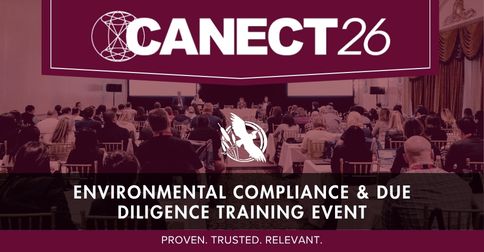
We’re Speaking at CANECT26
Blue Heron Environmental is proud to be part of CANECT 2026 in Vaughan, Ontario, with team members leading two in-person courses: 1B – Environmental Compliance for the Construction Industry on April 28 and 3A – Environmental Compliance for Water and Wastewater on April 30.

How much of a spill on site is considered reportable?
How much of a spill on site is considered reportable? Spill reporting requirements in Ontario can vary depending on substance, quantity, location, jurisdiction, and permit conditions. Knowing when and what to report is critical. In our latest Phone-A-Friend feature, Drew Lampman, P.Eng., shares practical insight on navigating emergency reporting requirements with confidence.
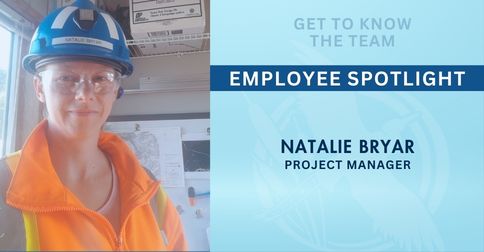
BHE Spotlight: Natalie Bryar
Join us in welcoming Natalie Bryar, Project Manager at Blue Heron Environmental.
Natalie holds a Bachelor of Science (Honours) in Biological Sciences from the University of Guelph and brings over 15 years of experience in regulated industries, including mining and manufacturing. Her background spans environmental compliance, permitting, project management, and stakeholder engagement.
At Blue Heron, Natalie supports environmental management systems, coordinates permitting initiatives, and works closely with regulators and project teams to help clients meet compliance requirements with clarity and confidence.